
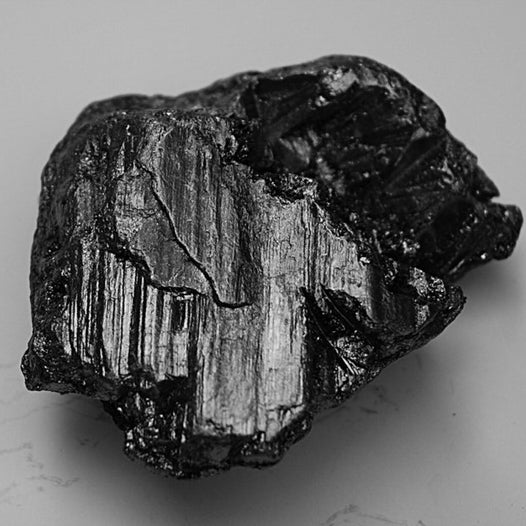
What is the best steel for a knife ?
Introduction In the knife making the steel represents the soul of the knife, which is determined by such factors as edge retention of sharpness, corrosion resistance, ductility (strength) and ease...
Introduction In the knife making the steel represents the soul of the knife, which is determined by such factors as edge retention of sharpness, corrosion resistance, ductility (strength) and ease...
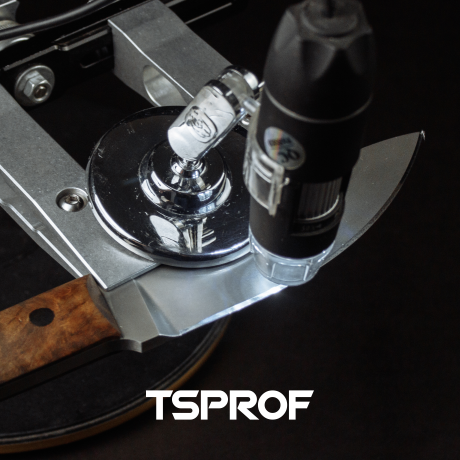
Optical monitoring plays an important role in sharpening operations. Even during the stage of learning to sharpen, when the sharpener has not yet became skilled, he already needs to have a clear idea of what a burr is, what...

The sharpening of cutting tools, from crude stone spearheads to fancy knives and swords, has been practiced and perfected by humans for thousands of years. It’s only in recent human history that sharpening techniques, abrasives, materials, and equipment have radically...
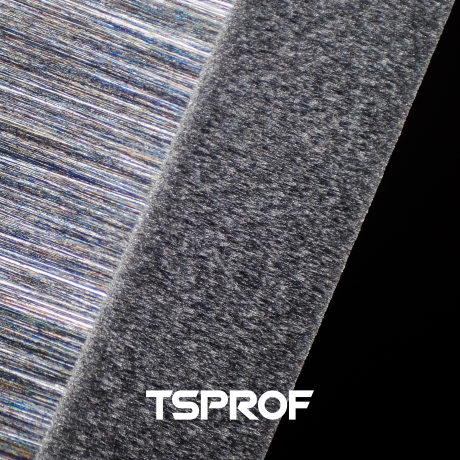
Introduction One of the best-known and most proven methods of improving the cutting-edge resistance during sharpening is the creation of a microbevel or secondary bevel (小刃 [ こば ] in Japanese). A micro-bevel is the formation of an additional bevel...
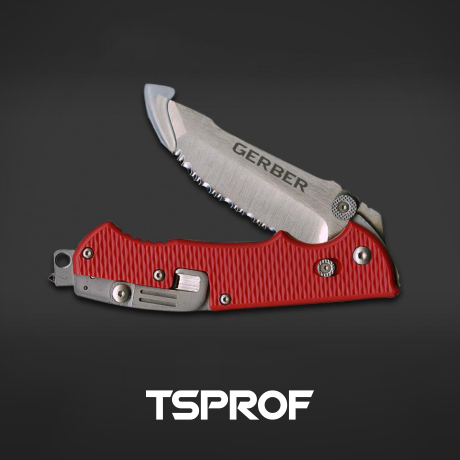
Folding rescue knives appeared several decades ago, primarily with the development in the knife industry of the so-called "survival" theme. Although they were positioned by the manufacturers as a tool for professionals, the main buyers were supposed to be...
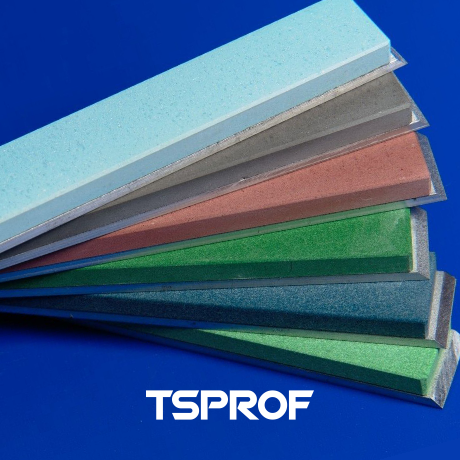
Well-timed and proper maintenance of abrasive stones, keeping the sharpener and the sharpener's workplace clean are the most important factors in a quality sharpening job. An abrasive covered with sludge residue is much less productive, and a diamond that has...
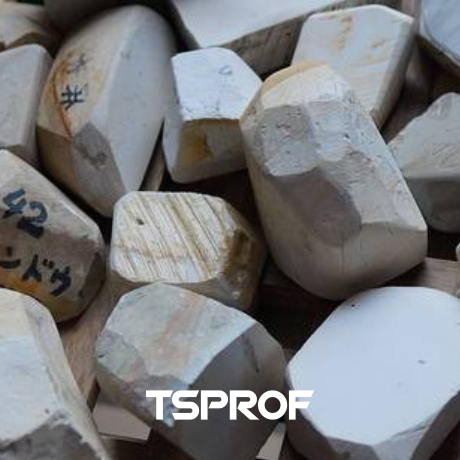
The nagura sharpening stone is probably the most widely known natural japanese abrasive stone in the world. It has gained its popularity due to its main property of being able to put a great suspension on many natural stones and help them...
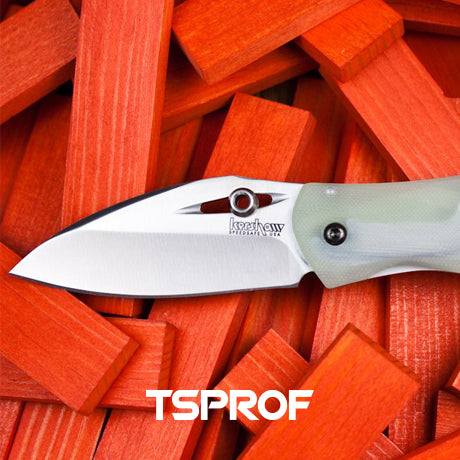
Throughout the twentieth century, the improvement of folding knives evolved towards the fastest possible extraction of the blade from the handle. The increased speed of life and the desire of consumers to do everything in one movement, forced manufacturers...
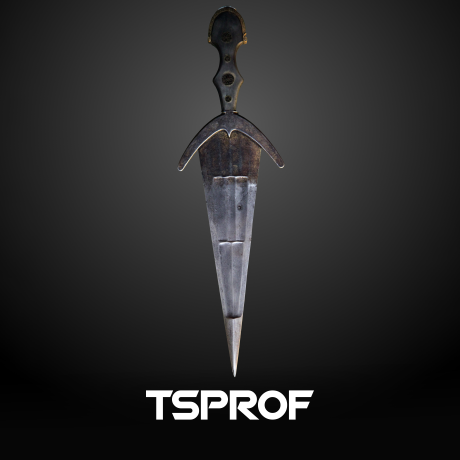
One of the most original knives of medieval Europe was the Italian double-edged cinqueda (from Italian Cinquedea meaning five fingers). The period of its popularity was quite brief and lasted no more than a century, but it left its mark...
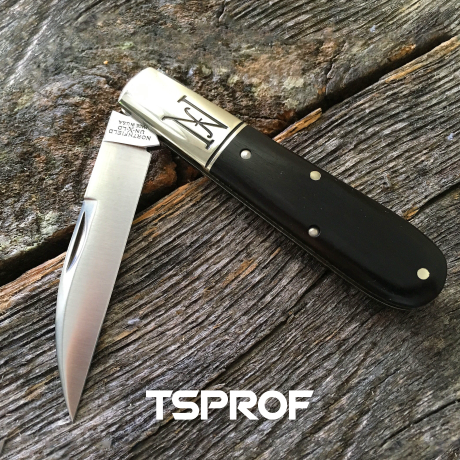
One of the most popular folding knives known today is the so-called 'Barlow' knife. These are small multi-purpose knives, which originally became widespread in America and Canada in the 18th century. In fact - they became the main competitors...

History of N690 Among the modern non-powder steels, the martensitic, cobalt-alloyed N690 steel from the Austrian-Swedish company Böhler-Uddeholm AG is currently the most popular. And in the past few years, it has almost superseded its ancestor, classic American 440C steel,...
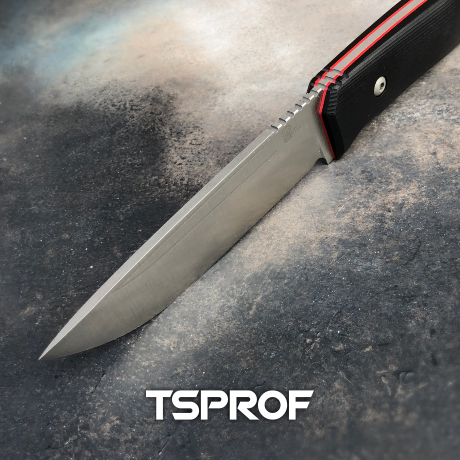
One of the main problems that can be encountered when sharpening knives is the removal of a stubborn burr. A burr forms during each sharpening process as a natural result of the metal being removed by an abrasive process, through...
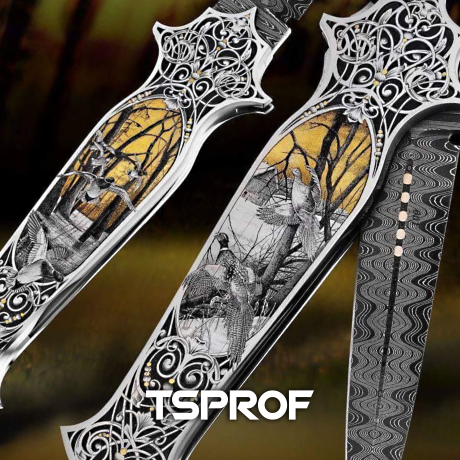
The tradition of decorating knives with engraving appeared in the distant past. During the Middle Ages, almost all types of personal arms of the European elite were decorated with drawings on metal to demonstrate the high status of...
{"one"=>"Select 2 or 3 items to compare", "other"=>"{{ count }} of 3 items selected"}